Nigeria Records Drop in Child Malaria Prevalence to 15.2%, Sets 2030 Reduction Target
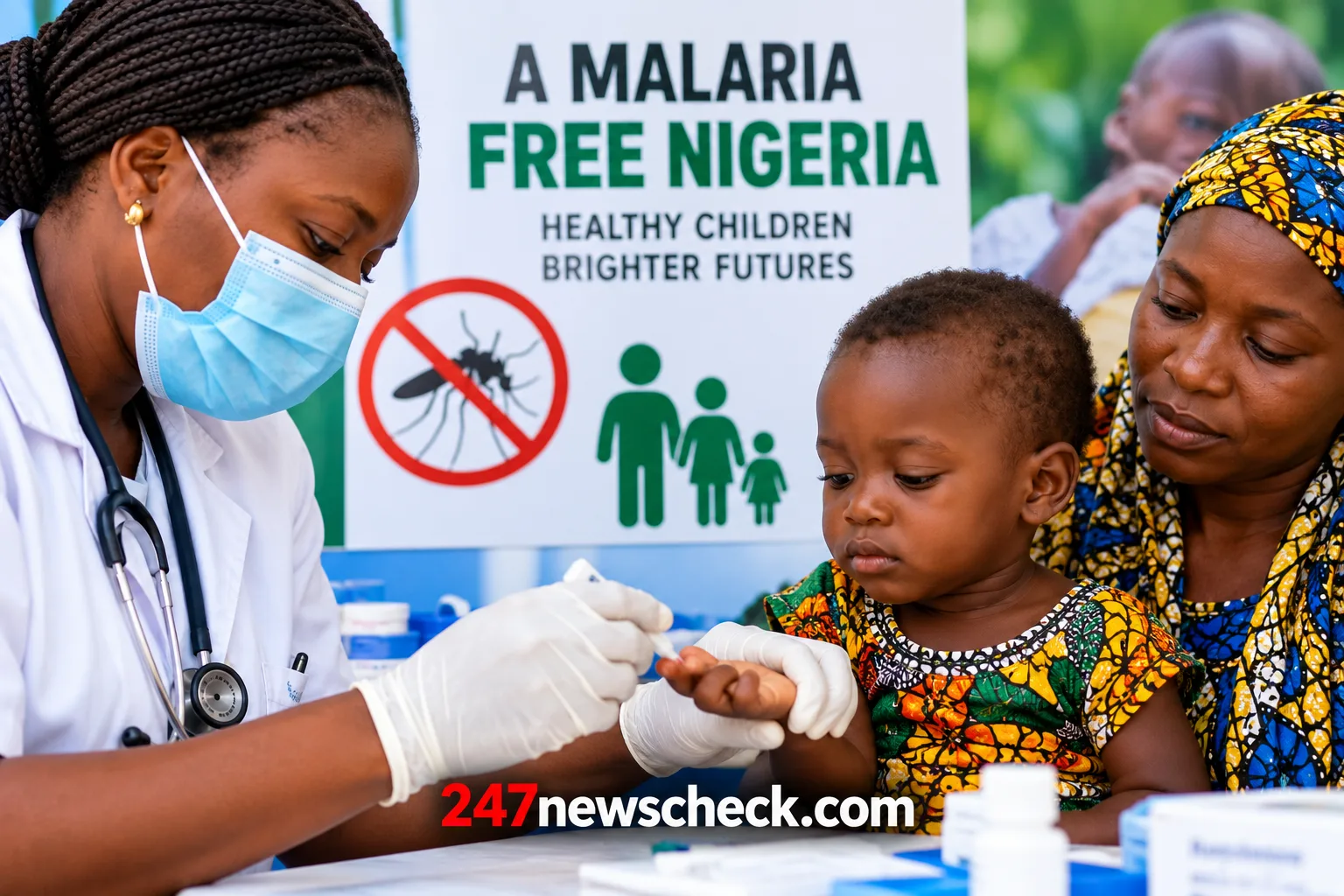
Nigeria has recorded a decline in malaria parasite prevalence among children aged six to 59 months, falling from 22 per cent in 2021 to 15.2 per cent in 2025, according to figures announced by the Federal Government following the release of the latest Nigeria Malaria Indicator Survey.
The Coordinating Minister of Health and Social Welfare, Professor Muhammad Ali Pate, announced the findings on Thursday, 22 October 2026, in Abuja, during the launch of the 2025 Nigeria Malaria Indicator Survey (NMIS) report and the National Malaria Strategic Plan for 2026–2030.
The government has set a target of reducing malaria prevalence and malaria-attributable deaths by 50 per cent from their 2025 levels by 2030. Achieving that objective will require sustained prevention programmes, effective diagnosis and treatment, reliable disease surveillance and continued investment in malaria control.
The latest figures indicate progress in tackling a disease that remains a significant public health challenge in Nigeria. However, the decline does not mean malaria has been eliminated, and the government faces the continuing task of ensuring that improvements are maintained across the country's diverse regions.
Survey highlights progress in malaria control
The 2025 Nigeria Malaria Indicator Survey provides evidence for assessing changes in malaria prevalence among young children, a population particularly vulnerable to severe illness and complications associated with the disease.
The reported prevalence of 15.2 per cent in 2025 compares with 22 per cent in the 2021 survey, representing a reduction of 6.8 percentage points.
Malaria prevalence is an indicator of the proportion of the surveyed population found to have malaria infection under the survey's testing methodology. It should not be confused with the total number of malaria cases recorded by health facilities, the number of people who develop symptoms or the number of malaria-related deaths.
The survey's findings provide a basis for assessing the reach of existing interventions and identifying areas where additional attention may be required. Detailed interpretation should take account of the survey methodology, geographical differences and the conditions under which the data were collected.
Government outlines priorities for 2030
The National Malaria Strategic Plan 2026–2030 is intended to guide the next phase of Nigeria's malaria response, with the reported reduction target establishing a measurable objective for the coming years.
Meeting the target will depend on translating national policy into effective action at state and local government levels. This includes directing resources towards communities with a higher malaria burden and ensuring that prevention, testing and treatment services are accessible to vulnerable populations.
The strategy also places importance on coordination among federal and state health authorities, public health programmes, healthcare providers and development partners.
Consistent implementation and transparent monitoring will be important in determining whether the gains recorded in the latest survey can be sustained.
Prevention and early treatment remain important
Malaria prevention requires a combination of measures suited to local transmission patterns. These include the proper use of insecticide-treated mosquito nets, appropriate vector-control interventions, prompt testing when infection is suspected and treatment with recommended antimalarial medicines.
Preventive treatment for eligible groups, including pregnant women and children who meet the relevant programme criteria, can also form part of malaria-control efforts. Such interventions should follow current national guidance and World Health Organization recommendations.
For families, early access to appropriate healthcare remains essential when a child develops a fever or other symptoms that could indicate malaria. Testing helps healthcare professionals distinguish malaria from other illnesses and select appropriate treatment.
Public awareness campaigns must therefore complement the distribution of preventive tools and the availability of quality health services.
National progress must reach high-burden communities
A national prevalence figure can conceal substantial differences between states and communities. Areas experiencing higher transmission may require more intensive or differently tailored interventions than locations where prevalence is already relatively low.
The government and its partners will need to use the survey's detailed findings to identify gaps in prevention, diagnosis and treatment. Adequate funding, dependable supplies of essential commodities, trained healthcare workers and strong surveillance systems will be important to the implementation process.
Progress will also depend on maintaining public confidence in malaria-prevention programmes and ensuring that services reach families facing barriers to healthcare.
Sustaining the gains beyond 2025
The reduction in malaria prevalence among children is an encouraging development, but the 2030 objective will require continued implementation rather than reliance on the latest national average alone.
Regular monitoring, transparent reporting of results and targeted support for areas with persistent transmission will help determine whether the planned interventions are delivering measurable improvements.
For Nigeria, the central challenge is to convert the progress recorded in the 2025 survey into sustained reductions in infections and deaths. The coming years will show whether the new strategic plan can deliver the government's stated targets and protect more children from malaria.
This report is published by 247NewsCheck — Trusted News. 24/7.