Nigeria Fashion Week’s move to Abuja has placed fresh attention on the business potential of the country’s fashion industry. The October event brought designers, policymakers and business stakeholders together to explore investment, job creation and opportunities to expand Nigerian fashion into wider markets.
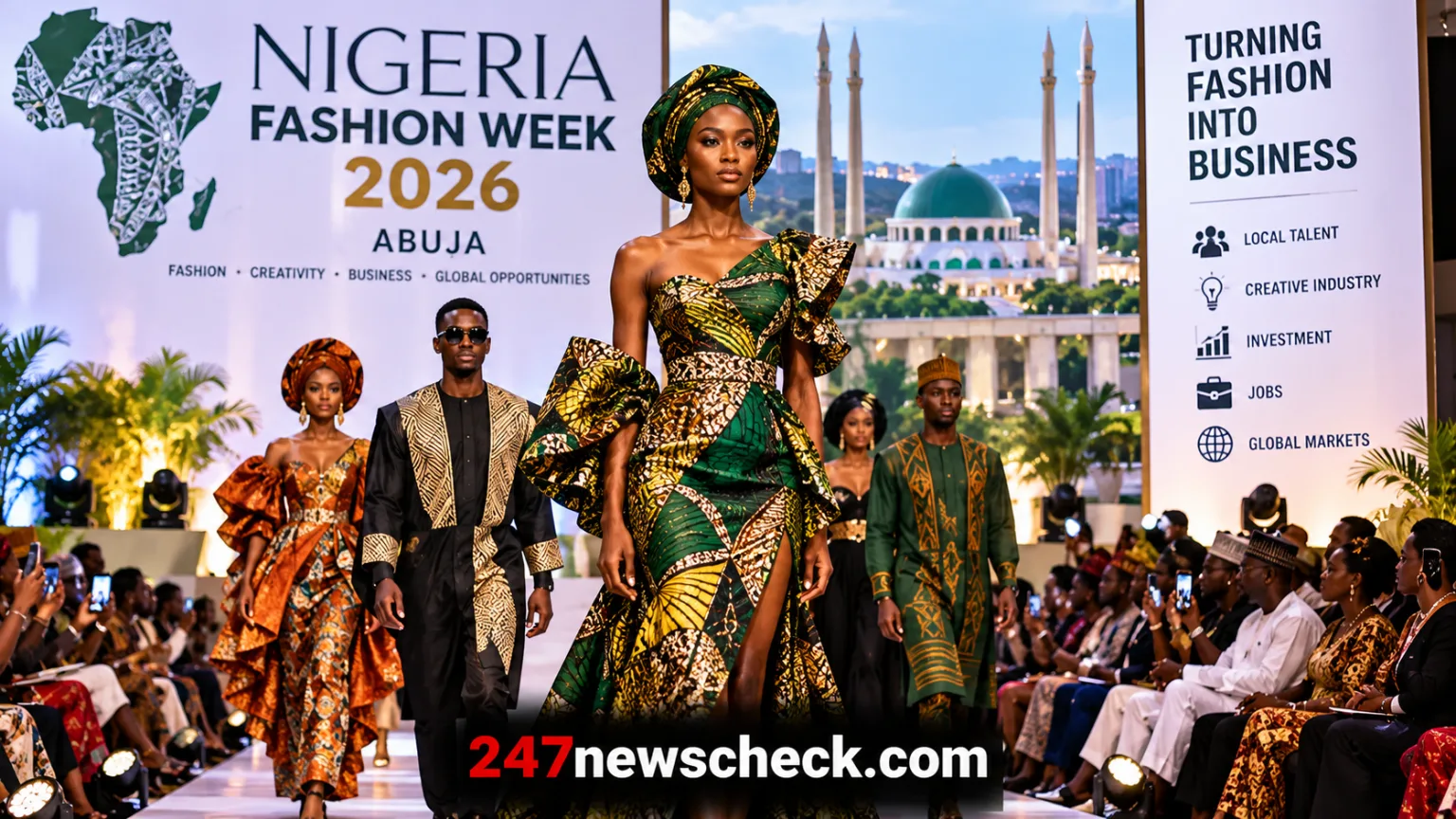
Nigeria’s fashion industry is seeking a stronger place in the country’s economic development agenda following the relocation of Nigeria Fashion Week to Abuja, where designers, business leaders, government officials and international participants gathered to explore how creative talent can translate into sustainable commercial opportunities.
The four-day event, held from 1 to 4 October 2026 at Soul Lounge Resort in Jahi, Abuja, marked the first time the annual fashion showcase was hosted in the Federal Capital Territory after previous editions were held in Lagos.
Organised by Legendary Gold in collaboration with the Federal Ministry of Arts, Culture, Tourism and the Creative Economy, the event centred on the theme “Where Capital Meets Creativity”. Its broader ambition was to strengthen links between fashion professionals and the investors, policymakers and commercial partners needed to build viable businesses around Nigerian design.
The move represents an effort to expand fashion’s role beyond runway presentations and cultural expression, placing greater emphasis on entrepreneurship, employment, investment and access to international markets.
Abuja Becomes a New Meeting Point for Fashion and Business
The decision to move Nigeria Fashion Week to Abuja reflects an attempt to bring the creative industry closer to federal policymakers, diplomatic representatives, financial institutions and potential investors.
Organisers said the change of location was intended to create more opportunities for designers to showcase their work, establish commercial relationships and explore partnerships capable of supporting business growth.
The programme opened with a networking reception hosted by the Africa CEO Club, bringing together representatives of government, the diplomatic community, financial institutions and the creative sector.
The event subsequently combined runway presentations with business discussions, exhibitions and an entrepreneurial forum designed to connect fashion businesses with prospective partners and buyers.
For Nigerian designers, such platforms can provide access to audiences and commercial contacts beyond their immediate markets. However, the lasting value of these connections will depend on whether they lead to investment, production contracts, repeat orders and sustained business relationships after the event.
Government Highlights Funding and Infrastructure Challenges
The Federal Government used the event to draw attention to the economic opportunities within Nigeria’s fashion and wider creative industries.
Minister of Arts, Culture, Tourism and the Creative Economy Hannatu Musawa highlighted the sector’s potential to support employment and economic growth, while pointing to structural challenges that require attention.
These include gaps in industry data, limited access to funding, inadequate infrastructure and difficulties reaching wider markets.
The minister also discussed plans for a framework to support creative practitioners and help them develop their talents into sustainable enterprises.
For fashion entrepreneurs, access to finance can determine whether a designer is able to purchase materials in bulk, employ skilled workers, expand production or fulfil large orders. Reliable electricity, modern equipment, quality control and efficient transport are equally important for businesses seeking to compete beyond the domestic market.
The challenge, therefore, is to connect the visibility generated by fashion events with practical support that helps businesses operate and grow throughout the year.
Designers Showcase Nigeria’s Creative Range
The runway programme placed Nigerian fashion talent alongside international designers, highlighting a range of contemporary styles, cultural influences and approaches to garment construction.
More than 40 Nigerian and international designers were expected to participate in the event, according to advance information released by organisers. Reports following the showcase described collections from Nigerian, Libyan and Ethiopian participants, reflecting the event’s regional and international ambitions.
The programme also featured activities focused on sustainability, including a showcase themed “Going Green”, which drew attention to environmental considerations in fashion design and production.
Beyond clothing, the wider fashion value chain includes textile production, tailoring, footwear, bags, jewellery, photography, modelling, makeup, retail and logistics. Each of these areas can create opportunities for small businesses, artisans and skilled workers.
The commercial potential extends beyond the runway. A designer whose work attracts attention at a showcase may still need dependable suppliers, access to working capital, effective marketing and reliable distribution to convert that exposure into consistent sales.
Fashion Awards Recognise Industry Contributions
The Nigeria Fashion Awards and Gala Night formed part of the event’s closing programme, recognising individuals and businesses associated with the development of Nigerian fashion and style.
Among those recognised were designer Khadija Sa’ad Kaita of Yarkaitab, who received the Modest Fashion Designer of the Year award, and Clement Mudiaga Enajemo, creative director of Mudi Africa, who was named Nigerian Best Menswear Designer of the Year.
Other awards recognised contributions to the fashion industry, personal style and cultural representation.
While awards can increase visibility for designers and brands, industry observers will continue to look at whether such recognition leads to greater customer demand, stronger business partnerships and wider access to markets.
International Partnerships Could Expand Market Access
The presence of international participants and diplomatic representatives also created opportunities to explore cross-border collaboration.
Partnerships between Nigerian designers and foreign businesses could support the exchange of skills, access to new materials and production techniques, and entry into additional markets.
For Nigeria’s fashion sector to benefit, however, international engagement must be supported by commercially competitive products, consistent quality, dependable delivery and an understanding of the requirements of different markets.
Developing these capabilities can help designers move from occasional showcases to repeatable business models that generate revenue and employment.
Can Abuja Sustain the Fashion Economy?
The relocation gives Abuja an opportunity to build a stronger profile as a destination for creative business, fashion diplomacy and investment. Yet establishing a durable fashion ecosystem requires more than hosting an annual event.
Designers need affordable workspaces, skilled employees, access to production equipment, dependable electricity and opportunities to sell their products. Emerging businesses also need training in pricing, accounting, branding, intellectual property and export requirements.
There is a further question of whether the contacts established during fashion week will produce measurable outcomes. Investment commitments, new retail partnerships, production orders and business expansion would provide clearer evidence of lasting economic benefits than attendance or runway participation alone.
For Abuja to maintain its position as a fashion destination, organisers and public institutions will need to build on the event with year-round opportunities for training, trade, collaboration and enterprise development.
Turning Creative Talent into Sustainable Businesses
Nigeria Fashion Week 2026 placed an important issue before the country’s creative sector: how to turn cultural influence and design talent into businesses capable of creating jobs, earning revenue and reaching customers beyond Nigeria.
The move to Abuja has created a platform for closer engagement between the fashion industry and policymakers. Its long-term significance, however, will depend on the support available to designers after the event and the commercial opportunities they can secure.
For the industry, progress will be measured not only by the collections presented on the runway but also by the businesses that expand, the workers they employ and the markets they reach.
247NewsCheck.com will continue to monitor developments in Nigeria’s fashion industry, including investment opportunities, government support for creative enterprises and efforts to expand Nigerian designers’ access to domestic and international markets, as further verified information becomes available.